Weather
Heat and hydration when racing in Lanzarote
How to prepare hydration, electrolytes, pacing and sun protection for racing in Lanzarote without underestimating exposure.
Updated
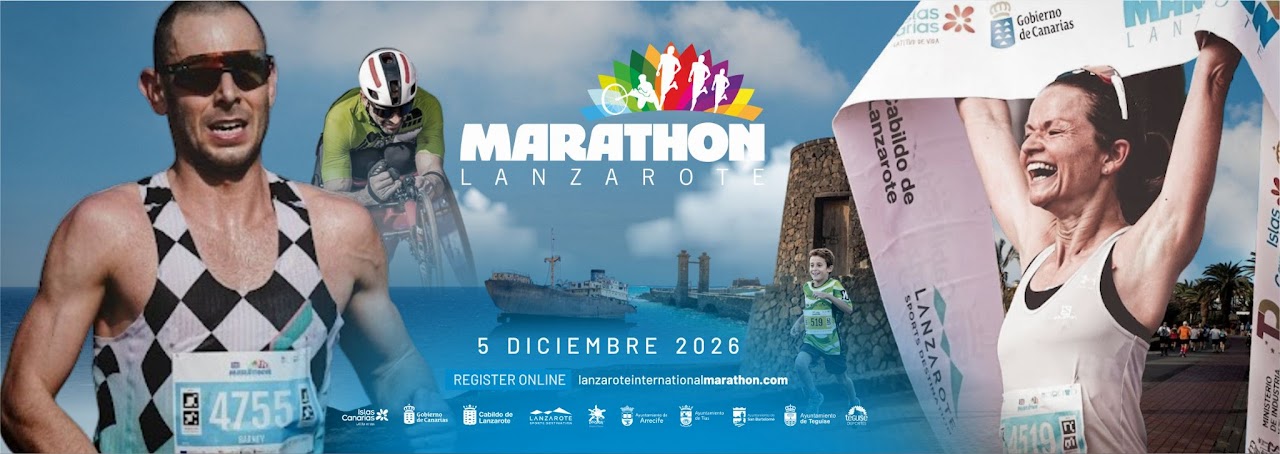
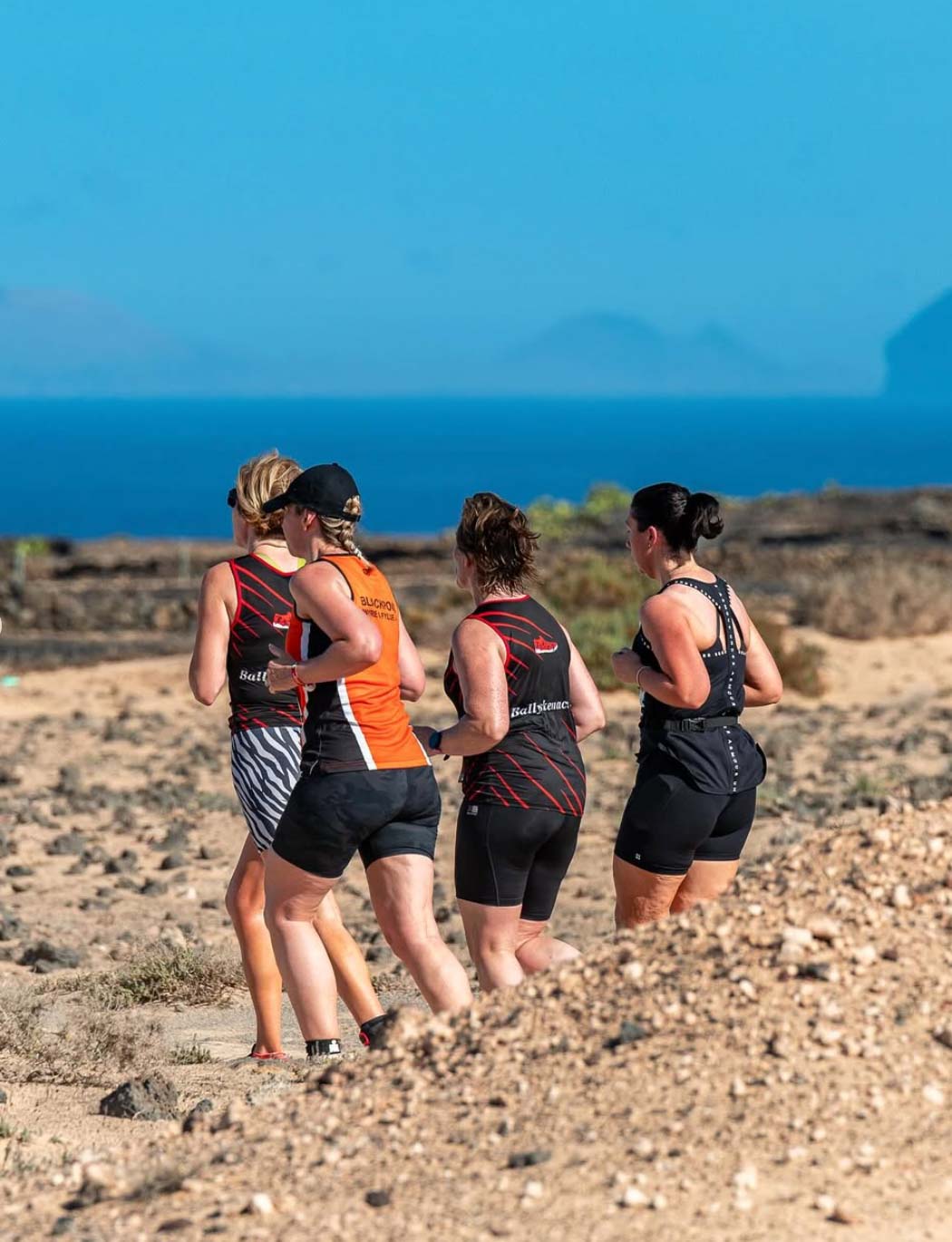
Lanzarote has mild weather for much of the year, but racing in the sun is different. Average temperature does not tell the whole story: radiation, dry wind, asphalt, lack of shade and race duration can turn an apparently comfortable day into a hydration problem.
Before the race
Do not improvise hydration the day before. Practise on long training sessions how much fluid you tolerate, which electrolytes you use and how your stomach reacts. In triathlon, the bike is usually the best time to drink and eat in a structured way. In trail or road running, it depends heavily on the distance between aid stations.
If you come from a cold climate, arriving a few days early helps. You do not need to train hard on the island; walking, easy jogging and letting your body experience heat, light and wind is enough. Sleeping well and avoiding too much tourist sun also matters.
During the race
Drink by plan, not only by thirst. Thirst can arrive late when the air is dry and windy. Alternate water and electrolytes if the duration requires it, and do not use new products on race day. In long events, a stomach problem can cost more than a few seconds spent at an aid station.
Sun protection should be applied before the race and, for long events, renewed when possible. Cap, sunglasses and breathable clothing help more than bravado. In Lanzarote, running without protection can feel fine in the opening kilometres and become accumulated damage later.
Pace and expectations
Heat changes sustainable pace. If you trained in cooler temperatures, adjust targets. In IRONMAN, marathon or trail races, starting too fast in the sun usually has a price. A conservative strategy is not a lack of ambition; it is a way to keep options open late in the race.
Warning signs
Dizziness, chills, headache, confusion, persistent nausea or very dry skin are signals to stop and ask for help. No result is worth ignoring them. Always check race rules and medical services.
After racing
Recovery starts at the finish line. Drink gradually, find shade, change wet clothing if it is windy and eat something you tolerate before celebrating too hard. If you have raced for many hours, do not drive immediately without checking how you feel. On sports trips, it is tempting to fill the next day with sightseeing, but an easy walk, sleep and simple food are often a better investment. Heat does not stop when timing stops.