Trail
Trail running guide to Lanzarote
How to understand trail running in Lanzarote: volcanic ground, elevation, exposure, gear and races that help shape a season.
Updated
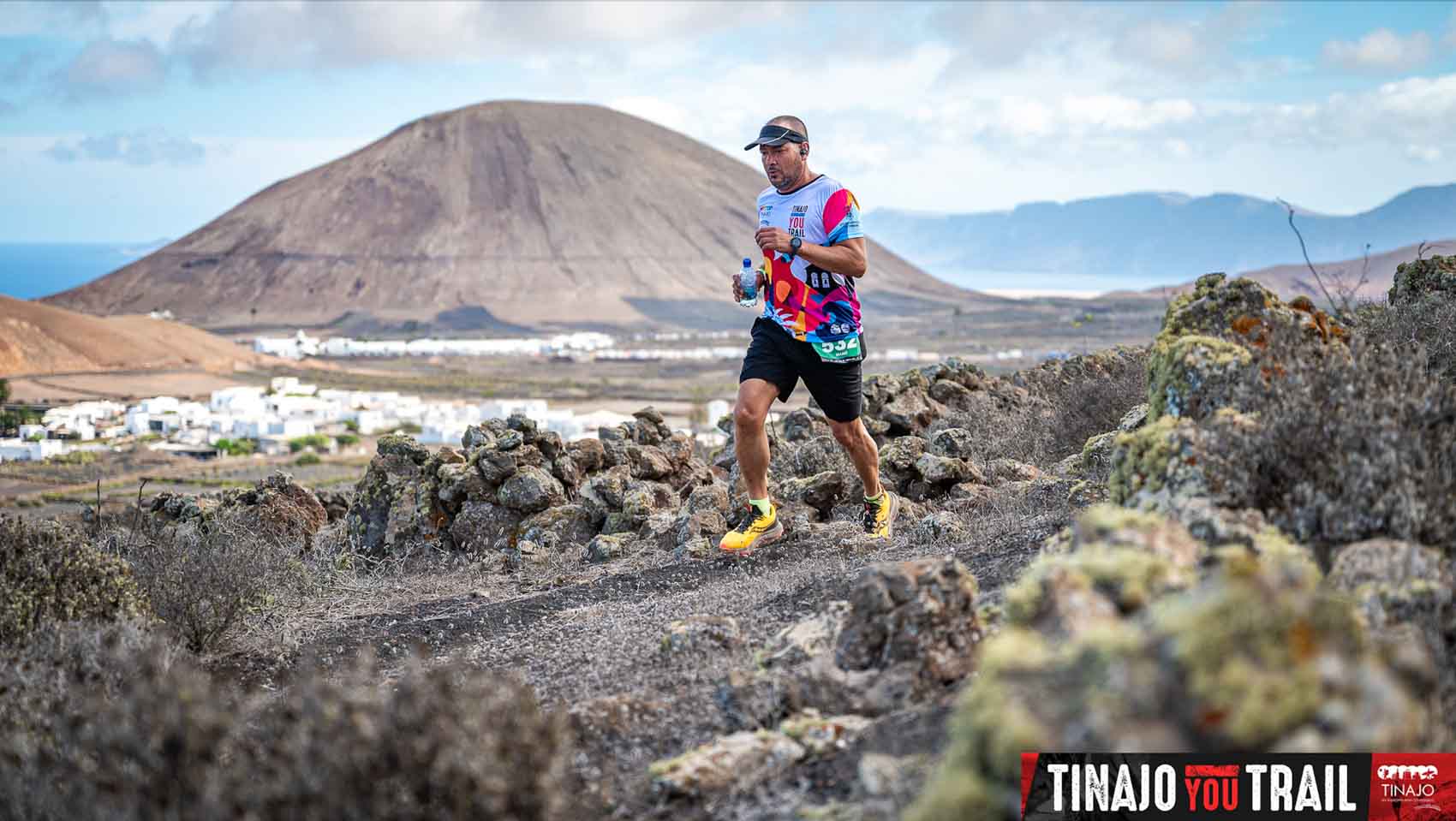
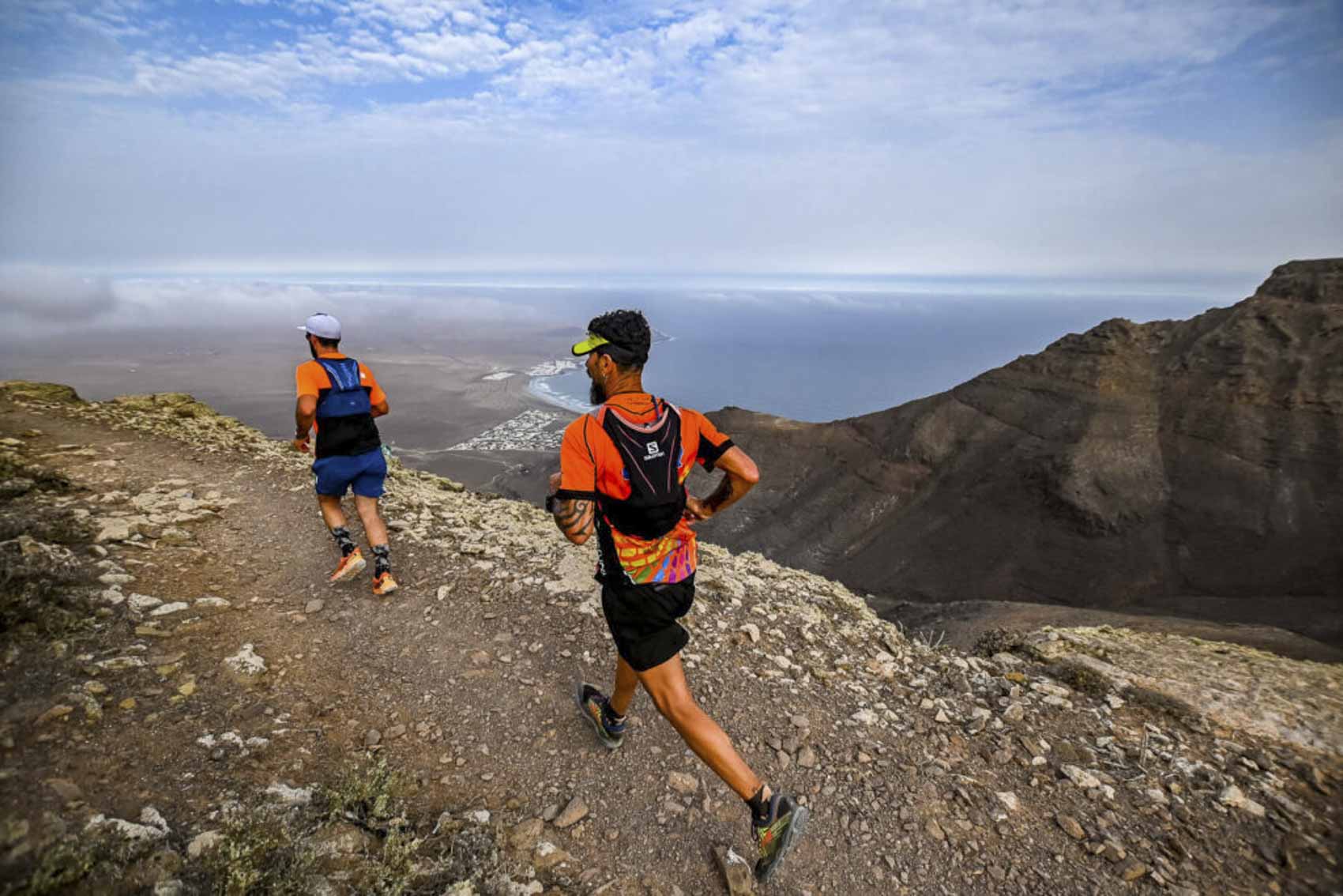
Trail running in Lanzarote has a very different personality from high-mountain trail. It is not built around forests, mud or altitude; it is built around volcanic terrain, dry tracks, exposed paths, heat, wind and constant changes of rhythm. That difference changes the way you prepare.
What kind of terrain to expect
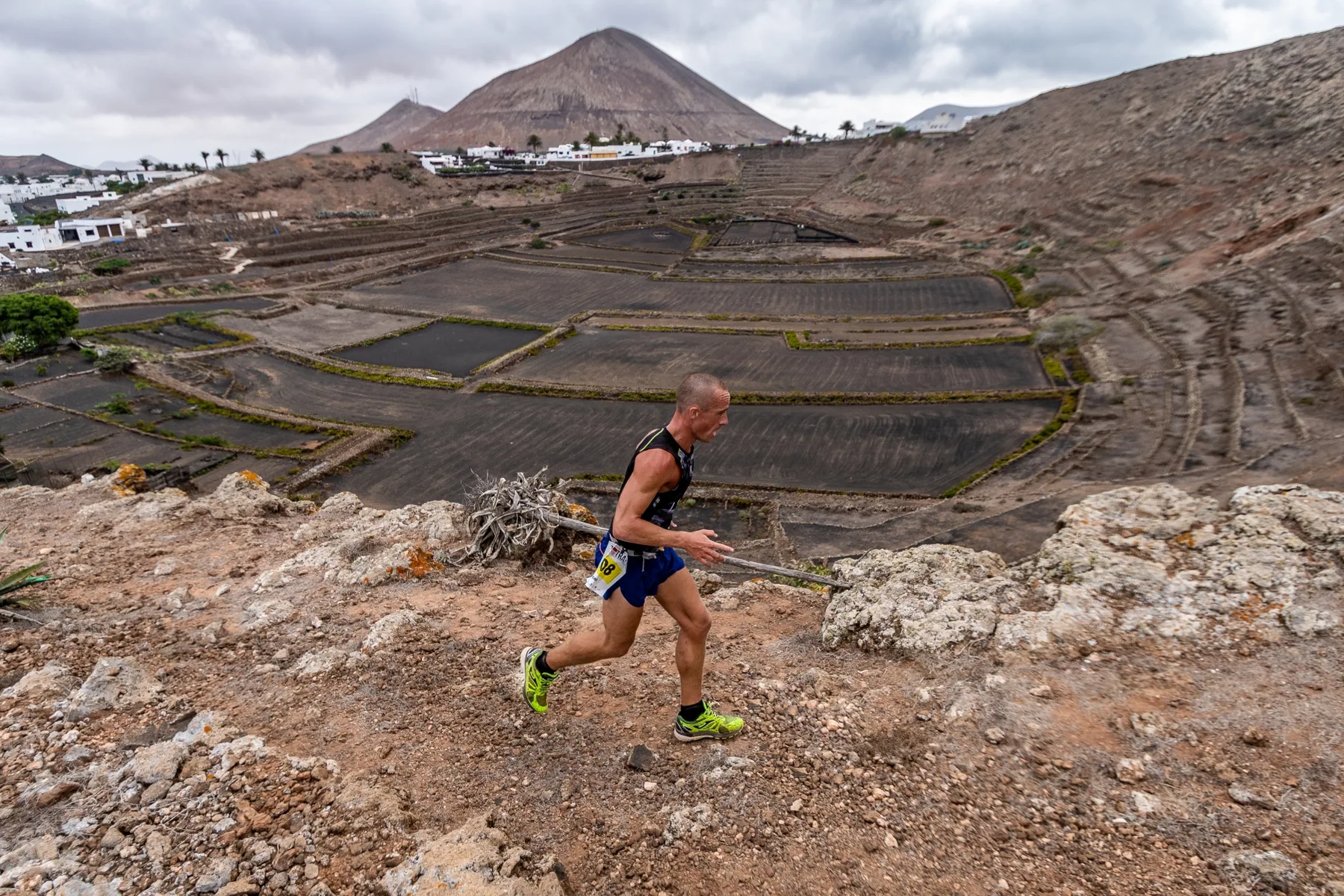
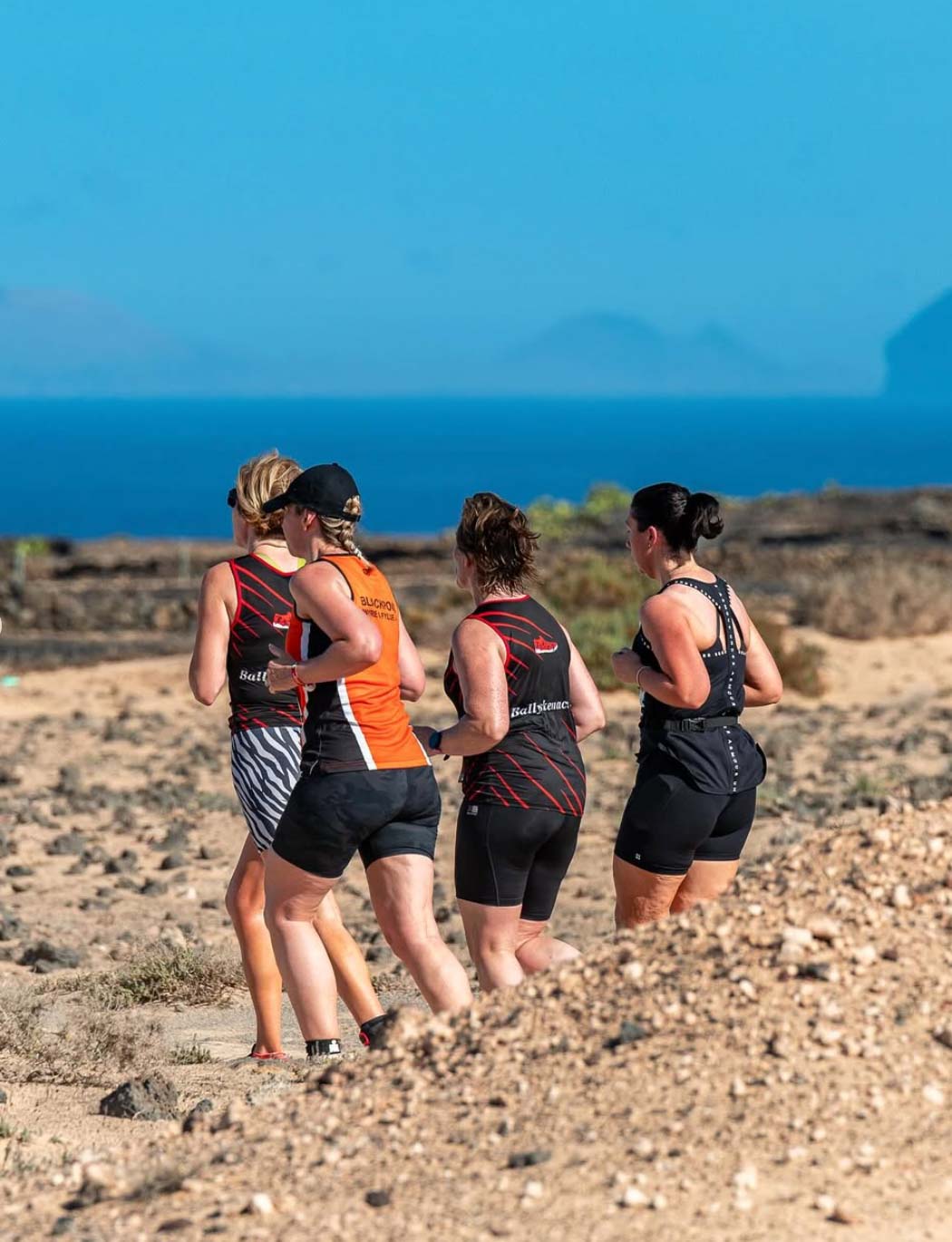
The island combines dirt tracks, sandy jable sections, volcanic paths, loose rock and more runnable stretches. The ground can look fast, but it punishes calves, ankles and the soles of your feet when the race lasts long enough. Technique is not always about descending hard; often it is about choosing steps and saving energy.
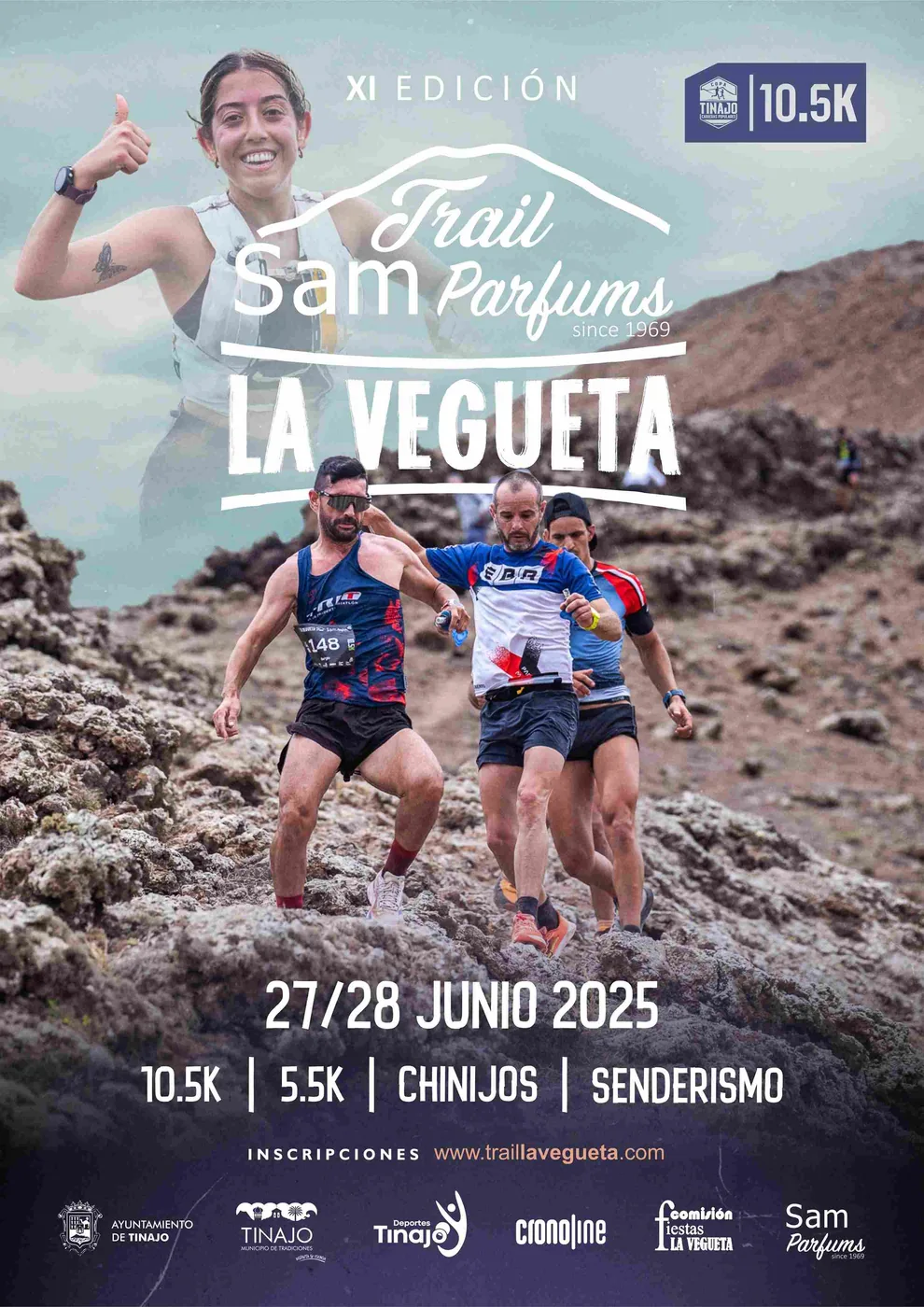
In races such as Tinajo You Trail, Trail La Vegueta or Famara Total, the landscape is a central part of the experience. It is also part of the difficulty. Exposure to sun and wind can make a medium distance feel longer than it would on a sheltered course.
Recommended gear
Prioritise shoes with grip and stability, not only light weight. A very smooth outsole may work on road or compact track but fall short on rock or loose dirt. Take a cap or visor, sunglasses, sunscreen and enough hydration capacity for the sections between aid stations.
If the race requires a reusable cup, emergency blanket, windproof layer or phone, do not treat that as paperwork. Weather can change in Lanzarote, and exposed sections leave little room if you run out of water or protection.
How to train
Train ankle strength, controlled descents, sustained climbs and running in moderate heat. If you are travelling in, do not try to compensate for lack of adaptation by adding volume in the final days. It is better to arrive rested, check a section of the course and adjust pacing.
For short distances, work on rhythm changes. For longer routes, practise eating and drinking in wind and dry air. Thirst can arrive late, but the damage may already be happening.
Choosing a race
Start with distance and terrain, not the race name. A volcanic 14 km can be harder than a gentle 20 km track race. If you travel with supporters, check access, parking and viewing points. Some areas are spectacular but not always easy to move around by car during the race.
Respecting the landscape
Trail running in Lanzarote crosses fragile places. Always follow the marked course, do not cut corners and avoid stepping outside paths even when the ground looks hard or empty. In volcanic areas, footprints can last for a long time. If you train independently, take rubbish back with you and check local restrictions. Racing well here also means understanding that the landscape is not a backdrop for the event; it is the reason the event exists.