Weather
Wind in Lanzarote: guide for athletes
Wind is part of racing in Lanzarote. This guide explains how it affects cycling, running, swimming and logistics.
Updated
Wind is not a side note in Lanzarote. It is a race condition. It can appear on a triathlon bike leg, during an open-water swim, on a trail climb or while walking between start and finish. Preparing for it does not mean obsessing over forecasts; it means accepting that it is part of sport on the island.
On the bike
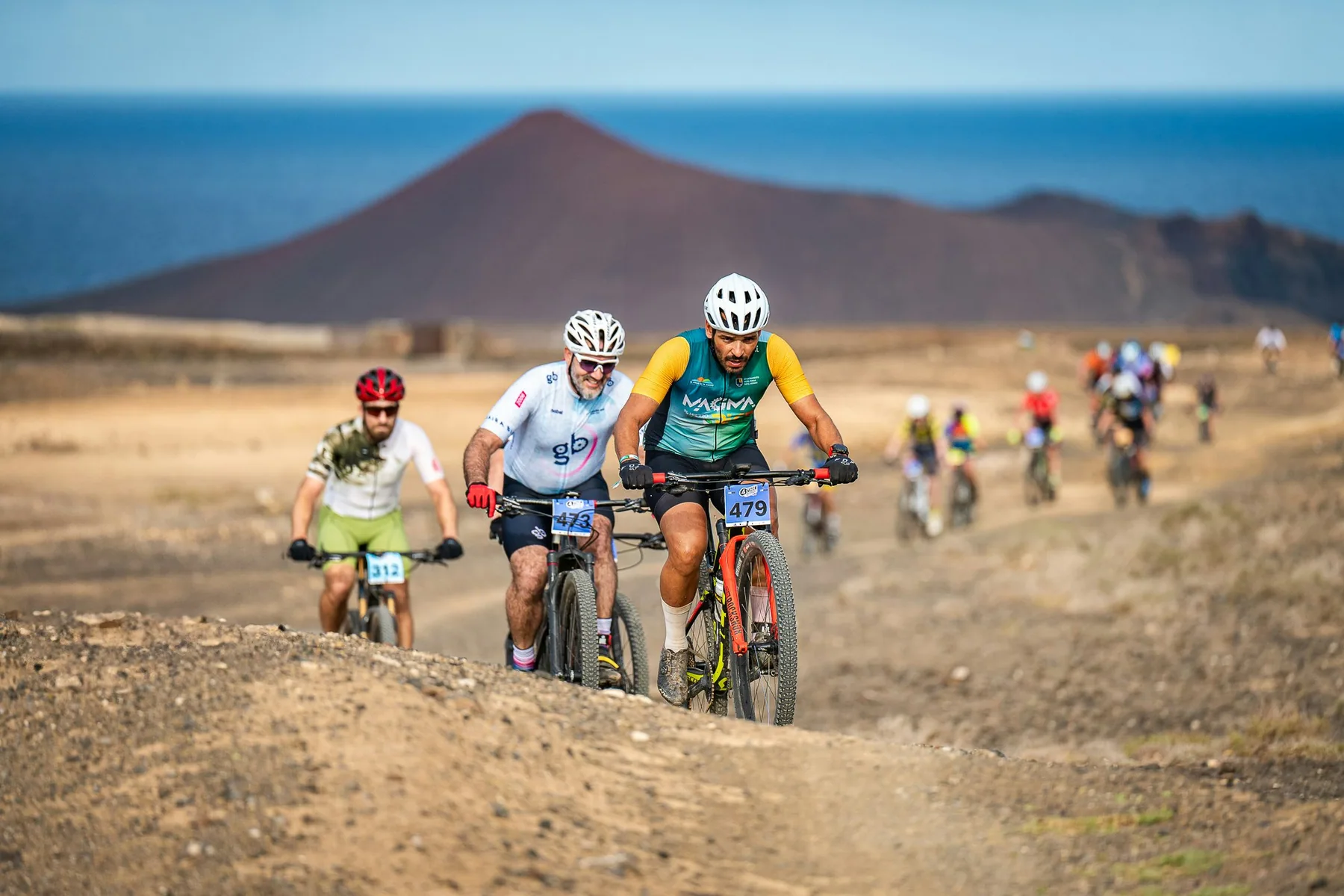
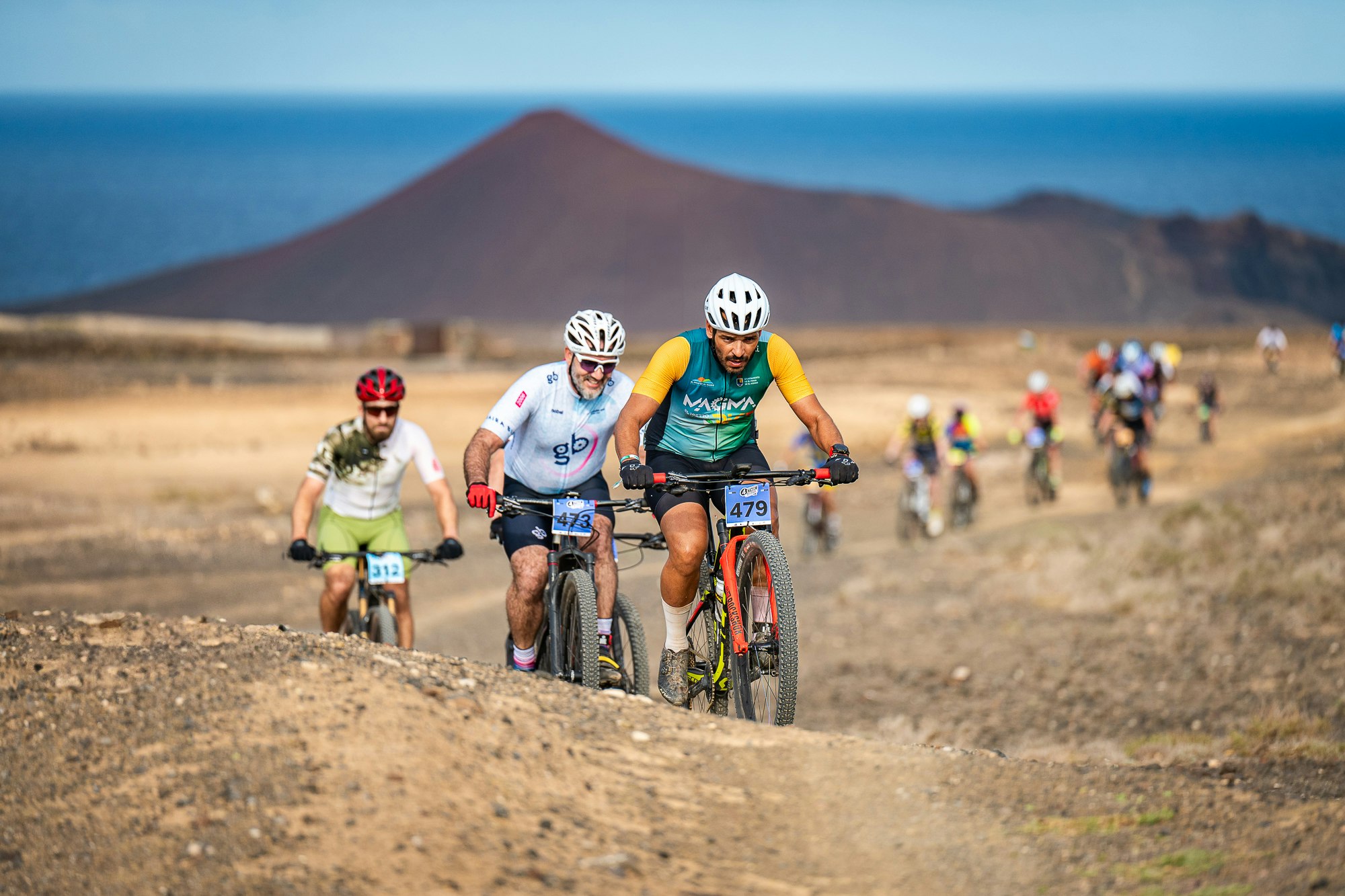
Cycling is where wind is felt most clearly. In races such as IRONMAN Lanzarote or Volcano Triathlon, a crosswind gust can force you to change position, hold the bars more firmly and reduce ambition. If you train only on an indoor trainer or sheltered roads, the first real exposure can be uncomfortable.
Practise in wind before racing. Learn to relax your shoulders, avoid locking elbows, anticipate overtakes and avoid wheels or deep rims you cannot control. In Lanzarote, average speed can deceive you: a fast tailwind section does not help if you spend too much energy riding back into the wind.
Running and trail
When running, wind can dry your mouth and skin, cool you when you stop and increase perceived effort in open areas. In trail races, it can also lift dust and make technical descents harder. A secure cap, sunglasses and lip protection may seem minor, but they help over longer races.
Open-water swimming
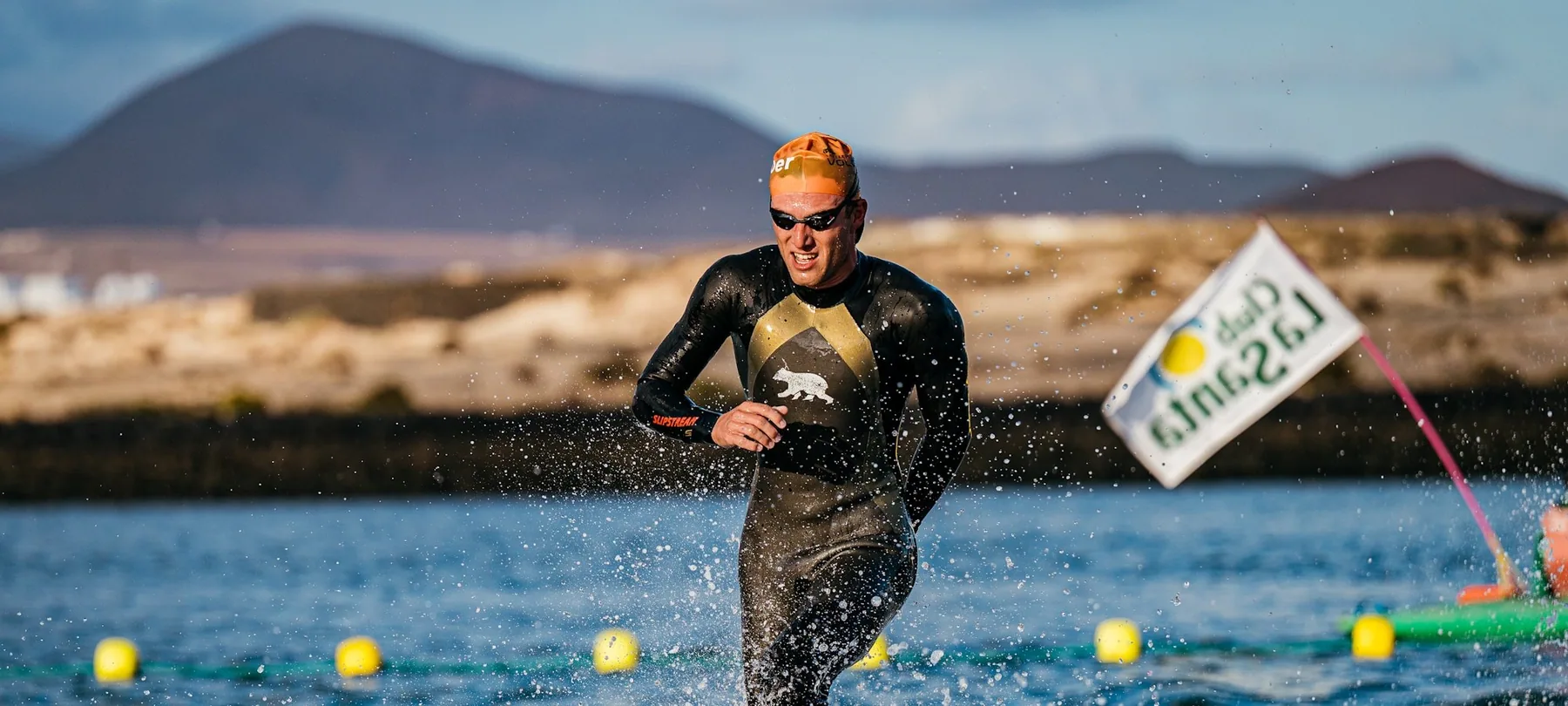
Wind changes the sea surface. Even when current is moderate, short chop can break breathing rhythm and make sighting harder. In swims and triathlons, always follow organiser instructions and do not assume one beach’s conditions describe another.
Forecast
Use AEMET for official warnings and general forecasts. For sport decisions, combine that with the organiser briefing and local observation. The airport station is useful as a reference, but it does not fully describe Famara, La Santa, Puerto del Carmen or Playa Blanca.
Strategy
Race by effort, not ego. If wind increases, adjust pace and power targets. On the bike, prioritise safety; on the run, protect hydration; in the swim, sight often. Athletes who accept the wind before the start usually make better decisions when it arrives.
Equipment and safety
Equipment should be chosen for control. On the bike, very deep wheels may be fast in theory and poor in practice if you lack experience with crosswind gusts. When running or trail running, a loose cap becomes a distraction. In open water, a visible buoy helps in training, but it does not make doubtful areas safe. Safety begins before you start: if the forecast or briefing points to difficult conditions, adapt the plan before the race forces you to.